
One of the first challenges when creating ICE LAND was where to find 900 tons of ice. That’s not exactly something you can make in your refrigerator using an ice cube tray.

To create the ice, Moody Gardens enlisted the services of Flying Penguin Ice in Bryan, Texas.
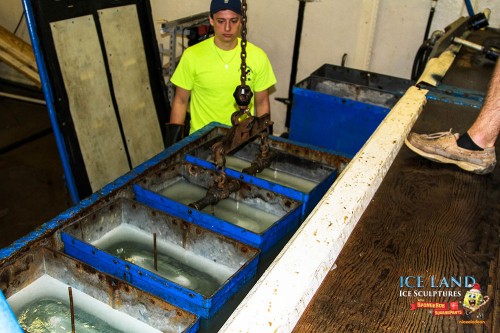
Creating the ice wasn’t a simple process. First the colors had to be mixed in some of the biggest ice cube trays you will ever see.

After several of days freezing, the ice was removed…
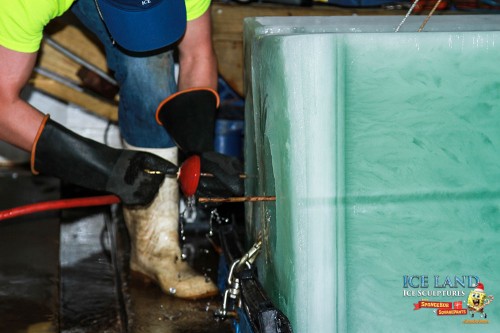
The color was tested…
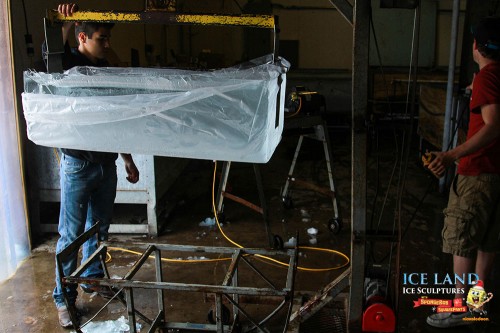
Clear block of ice
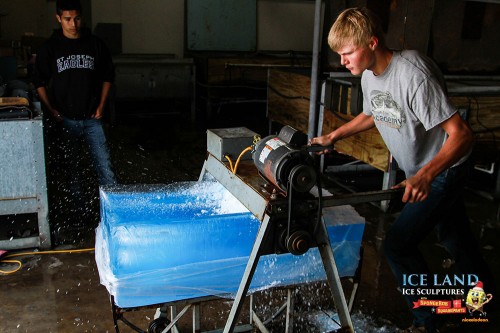
Blocks were shaved to the proper size.
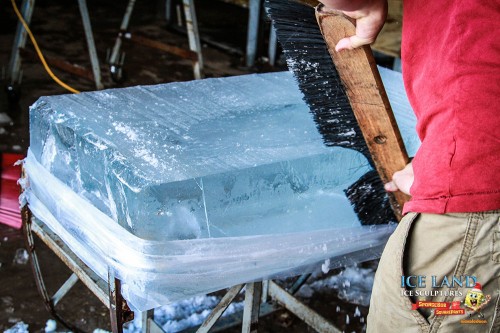
They made it as smooth as possible

One of the many trucks ready to take ice to storage area

It took several days and 42 truck loads to bring all 6,000 blocks of ice to Galveston.

Moody Gardens staff unloaded the ice
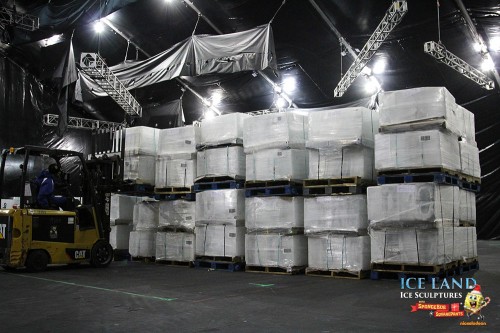
The giant tent was quickly filled with pallet upon pallet of ice.
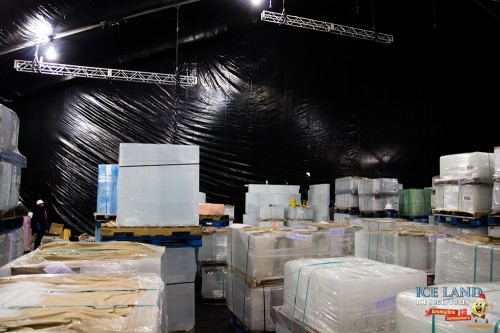
By the end, some of the ice was stacked up as high as five levels.
Stay tuned for our next Creating ICE LAND Ice Sculptures blog series! We’ll be taking a look at how a 28,000 square foot tent is built from the ground up.
ICE LAND will be a frosty new addition to the Festival of Lights and other holiday attractions this year as Galveston makes its holiday transition into a Winter Wonder Island. Admission to the exhibit is $26.95 for adults, $21.95 for seniors and $15.95 for children, and will also be included in a Moody Gardens Value Pass that includes admission to the various Moody Gardens attractions and Festival of Lights for $59.95. A two-day pass is available for $79.95. Courtesy parkas will also be distributed to each guest. Visit moodygardens.org/iceland for more information and to purchase tickets.






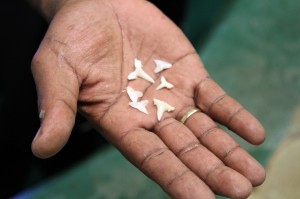 Sharks’ teeth are adapted for what they eat. Sharks like the great white and tiger shark have triangular teeth with jagged edges. This keeps hold of larger fish and animals, tear chunks of meat or slice through a turtle’s shell. A sand tiger’s teeth, on the other hand, are long and narrow which make them look frightening, but in fact these types of sharks are not very aggressive. The shape of their teeth is ideal for grabbing a hold of prey. However, the whale shark has very small teeth and it’s not used for biting because they simply filter their food.
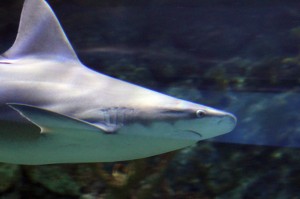 Coloration and patterns play an important role in identifying a shark. Their special marks allow them to camouflage perfectly into their environment. Mako sharks, for example, inhabit tropical and offshore water and are normally a bluish color. On the other hand, the nurse shark has a tan pigmentation ideal for hiding on the ocean’s floor. Tiger sharks can be identified by their stripes and leopard sharks for their spots.